

 Image 1 of 1
BRAKE FLUID FLUSH
BRAKE FLUID FLUSH
What it is
A brake fluid flush removes old, contaminated fluid from your vehicle’s braking system and replaces it with fresh fluid. Over time, brake fluid absorbs moisture and debris, which reduces braking performance and can cause corrosion in brake lines, calipers, and master cylinder components.
Why it matters
Safety: Fresh fluid maintains proper hydraulic pressure for reliable braking.
Corrosion prevention: Moisture-laden fluid accelerates internal corrosion that can lead to costly repairs.
Consistent pedal feel: Old fluid can cause a spongy or soft brake pedal.
Longer component life: Clean fluid helps extend the life of master cylinders, ABS components, calipers, and wheel cylinders.
Common signs you need a flush
Spongy, soft, or sinking brake pedal
Brake warning light or ABS light on the dash
Brake fluid looks dark or cloudy at the reservoir
Noticeable decrease in braking performance
It’s been more than 2 years or 30,000 miles (manufacturer intervals vary)
What we do during a brake fluid flush
Inspect brake system for leaks and worn components
Remove old fluid from the master cylinder and lines
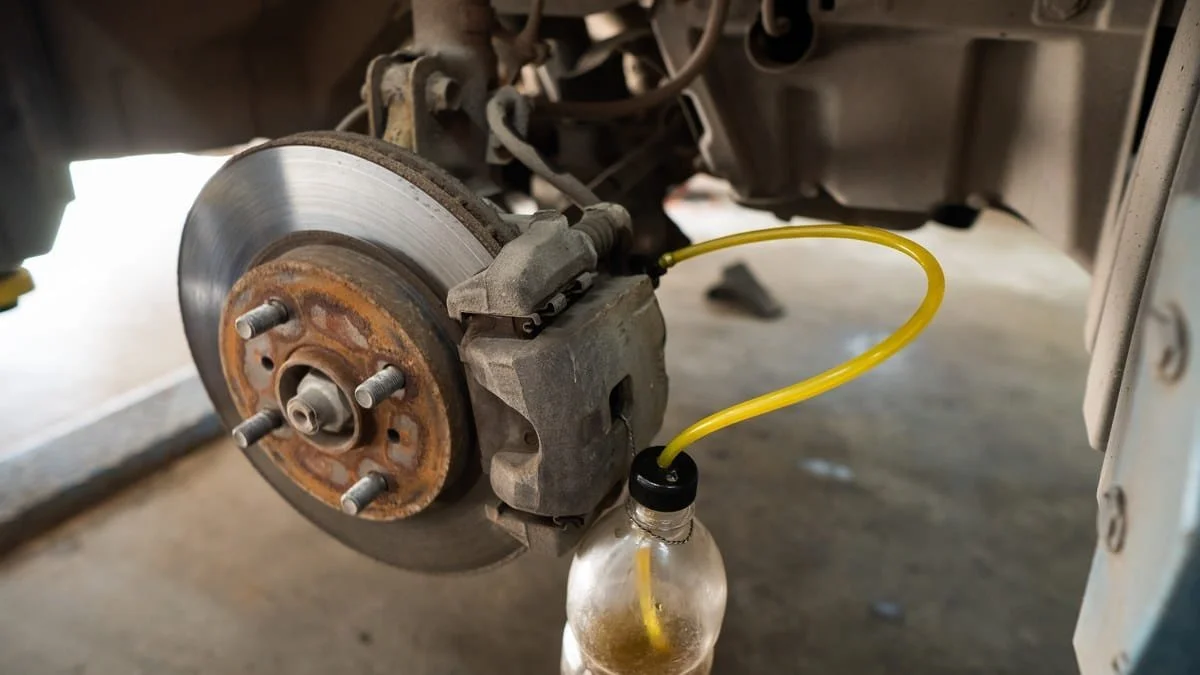
Use a vacuum or pressure system to flush and replace fluid at each wheel until clean fluid flows
Bleed brakes to remove air and ensure proper pedal firmness
Refill reservoir to manufacturer-specified fluid type and level
Road test to verify performance and check for leaks
Recommended interval
Typical recommendation: every 2 years or 20,000–30,000 miles, but check your vehicle’s owner manual for the manufacturer’s specific interval.
Brake fluid types
DOT 3, DOT 4, DOT 4+ and DOT 5.1 are glycol-based and commonly used in passenger vehicles.
DOT 5 is silicone-based and not compatible with glycol fluids; generally used only where specifically required.
Always use the type specified by your vehicle manufacturer.
Why choose HARRISON MVAC SERVICE AND REPAIRS LLC
Professional technicians experienced with modern braking systems and ABS
Proper equipment for thorough flushing and safe disposal of old fluid
Full inspection and transparent recommendations for any related repairs
Commitment to safety and reliable braking performance
Schedule a brake fluid flush
If you’re due for service or notice any of the warning signs above, contact us to set up an appointment. We’ll inspect your brake system, perform a complete fluid flush, and ensure your
BRAKE FLUID FLUSH
What it is
A brake fluid flush removes old, contaminated fluid from your vehicle’s braking system and replaces it with fresh fluid. Over time, brake fluid absorbs moisture and debris, which reduces braking performance and can cause corrosion in brake lines, calipers, and master cylinder components.
Why it matters
Safety: Fresh fluid maintains proper hydraulic pressure for reliable braking.
Corrosion prevention: Moisture-laden fluid accelerates internal corrosion that can lead to costly repairs.
Consistent pedal feel: Old fluid can cause a spongy or soft brake pedal.
Longer component life: Clean fluid helps extend the life of master cylinders, ABS components, calipers, and wheel cylinders.
Common signs you need a flush
Spongy, soft, or sinking brake pedal
Brake warning light or ABS light on the dash
Brake fluid looks dark or cloudy at the reservoir
Noticeable decrease in braking performance
It’s been more than 2 years or 30,000 miles (manufacturer intervals vary)
What we do during a brake fluid flush
Inspect brake system for leaks and worn components
Remove old fluid from the master cylinder and lines
Use a vacuum or pressure system to flush and replace fluid at each wheel until clean fluid flows
Bleed brakes to remove air and ensure proper pedal firmness
Refill reservoir to manufacturer-specified fluid type and level
Road test to verify performance and check for leaks
Recommended interval
Typical recommendation: every 2 years or 20,000–30,000 miles, but check your vehicle’s owner manual for the manufacturer’s specific interval.
Brake fluid types
DOT 3, DOT 4, DOT 4+ and DOT 5.1 are glycol-based and commonly used in passenger vehicles.
DOT 5 is silicone-based and not compatible with glycol fluids; generally used only where specifically required.
Always use the type specified by your vehicle manufacturer.
Why choose HARRISON MVAC SERVICE AND REPAIRS LLC
Professional technicians experienced with modern braking systems and ABS
Proper equipment for thorough flushing and safe disposal of old fluid
Full inspection and transparent recommendations for any related repairs
Commitment to safety and reliable braking performance
Schedule a brake fluid flush
If you’re due for service or notice any of the warning signs above, contact us to set up an appointment. We’ll inspect your brake system, perform a complete fluid flush, and ensure your vehicle brakes safely and reliably.
BRAKE FLUID FLUSH
What it is
A brake fluid flush removes old, contaminated fluid from your vehicle’s braking system and replaces it with fresh fluid. Over time, brake fluid absorbs moisture and debris, which reduces braking performance and can cause corrosion in brake lines, calipers, and master cylinder components.
Why it matters
Safety: Fresh fluid maintains proper hydraulic pressure for reliable braking.
Corrosion prevention: Moisture-laden fluid accelerates internal corrosion that can lead to costly repairs.
Consistent pedal feel: Old fluid can cause a spongy or soft brake pedal.
Longer component life: Clean fluid helps extend the life of master cylinders, ABS components, calipers, and wheel cylinders.
Common signs you need a flush
Spongy, soft, or sinking brake pedal
Brake warning light or ABS light on the dash
Brake fluid looks dark or cloudy at the reservoir
Noticeable decrease in braking performance
It’s been more than 2 years or 30,000 miles (manufacturer intervals vary)
What we do during a brake fluid flush
Inspect brake system for leaks and worn components
Remove old fluid from the master cylinder and lines
Use a vacuum or pressure system to flush and replace fluid at each wheel until clean fluid flows
Bleed brakes to remove air and ensure proper pedal firmness
Refill reservoir to manufacturer-specified fluid type and level
Road test to verify performance and check for leaks
Recommended interval
Typical recommendation: every 2 years or 20,000–30,000 miles, but check your vehicle’s owner manual for the manufacturer’s specific interval.
Brake fluid types
DOT 3, DOT 4, DOT 4+ and DOT 5.1 are glycol-based and commonly used in passenger vehicles.
DOT 5 is silicone-based and not compatible with glycol fluids; generally used only where specifically required.
Always use the type specified by your vehicle manufacturer.
Why choose HARRISON MVAC SERVICE AND REPAIRS LLC
Professional technicians experienced with modern braking systems and ABS
Proper equipment for thorough flushing and safe disposal of old fluid
Full inspection and transparent recommendations for any related repairs
Commitment to safety and reliable braking performance
Schedule a brake fluid flush
If you’re due for service or notice any of the warning signs above, contact us to set up an appointment. We’ll inspect your brake system, perform a complete fluid flush, and ensure your
BRAKE FLUID FLUSH
What it is
A brake fluid flush removes old, contaminated fluid from your vehicle’s braking system and replaces it with fresh fluid. Over time, brake fluid absorbs moisture and debris, which reduces braking performance and can cause corrosion in brake lines, calipers, and master cylinder components.
Why it matters
Safety: Fresh fluid maintains proper hydraulic pressure for reliable braking.
Corrosion prevention: Moisture-laden fluid accelerates internal corrosion that can lead to costly repairs.
Consistent pedal feel: Old fluid can cause a spongy or soft brake pedal.
Longer component life: Clean fluid helps extend the life of master cylinders, ABS components, calipers, and wheel cylinders.
Common signs you need a flush
Spongy, soft, or sinking brake pedal
Brake warning light or ABS light on the dash
Brake fluid looks dark or cloudy at the reservoir
Noticeable decrease in braking performance
It’s been more than 2 years or 30,000 miles (manufacturer intervals vary)
What we do during a brake fluid flush
Inspect brake system for leaks and worn components
Remove old fluid from the master cylinder and lines
Use a vacuum or pressure system to flush and replace fluid at each wheel until clean fluid flows
Bleed brakes to remove air and ensure proper pedal firmness
Refill reservoir to manufacturer-specified fluid type and level
Road test to verify performance and check for leaks
Recommended interval
Typical recommendation: every 2 years or 20,000–30,000 miles, but check your vehicle’s owner manual for the manufacturer’s specific interval.
Brake fluid types
DOT 3, DOT 4, DOT 4+ and DOT 5.1 are glycol-based and commonly used in passenger vehicles.
DOT 5 is silicone-based and not compatible with glycol fluids; generally used only where specifically required.
Always use the type specified by your vehicle manufacturer.
Why choose HARRISON MVAC SERVICE AND REPAIRS LLC
Professional technicians experienced with modern braking systems and ABS
Proper equipment for thorough flushing and safe disposal of old fluid
Full inspection and transparent recommendations for any related repairs
Commitment to safety and reliable braking performance
Schedule a brake fluid flush
If you’re due for service or notice any of the warning signs above, contact us to set up an appointment. We’ll inspect your brake system, perform a complete fluid flush, and ensure your vehicle brakes safely and reliably.