

 Image 1 of 1
EVAC AND RECHARGE — R-1234YF
Service performed: Complete evacuation and recharge of automotive HVAC system using R-1234yf refrigerant.
Scope of work:
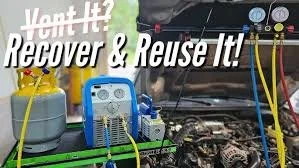
Recover remaining refrigerant and remove old oil and contaminants.
Vacuum system to required deep vacuum specification to remove moisture and non-condensables.
Leak check using electronic leak detector and visual inspection of service ports, hoses, condenser, evaporator, and fittings.
Replace or top-up PAG oil as required per manufacturer specification.
Recharge system with manufacturer-specified charge of R-1234yf.
Verify system pressures, temperature split, and compressor operation.
Functional test: airflow, heater/AC mode, blower speeds, and thermostat controls.
Dispose of recovered refrigerant and waste oil in accordance with federal and state regulations.
Safety and compliance:
Work completed using EPA-certified equipment and certified technician.
R-1234yf handled with appropriate personal protective equipment and refrigerant recovery/recycling machines.
Compliance with all EPA and local environmental rules for refrigerant handling.
Post-service recommendations:
Monitor for 24–72 hours for any signs of leaks or loss of cooling.
If intermittent cooling or performance issues continue, perform dye or UV leak test
EVAC AND RECHARGE — R-1234YF
Service performed: Complete evacuation and recharge of automotive HVAC system using R-1234yf refrigerant.
Scope of work:
Recover remaining refrigerant and remove old oil and contaminants.
Vacuum system to required deep vacuum specification to remove moisture and non-condensables.
Leak check using electronic leak detector and visual inspection of service ports, hoses, condenser, evaporator, and fittings.
Replace or top-up PAG oil as required per manufacturer specification.
Recharge system with manufacturer-specified charge of R-1234yf.
Verify system pressures, temperature split, and compressor operation.
Functional test: airflow, heater/AC mode, blower speeds, and thermostat controls.
Dispose of recovered refrigerant and waste oil in accordance with federal and state regulations.
Safety and compliance:
Work completed using EPA-certified equipment and certified technician.
R-1234yf handled with appropriate personal protective equipment and refrigerant recovery/recycling machines.
Compliance with all EPA and local environmental rules for refrigerant handling.
Post-service recommendations:
Monitor for 24–72 hours for any signs of leaks or loss of cooling.
If intermittent cooling or performance issues continue, perform dye or UV leak test and inspect A/C expansion device and accumulator/drier or receiver-drier.
Schedule routine A/C system inspection every 12 months or per vehicle manufacturer guidelines.
Notes:
Final charge amount and oil type determined by vehicle make/model.
Additional repairs (leaks, compressor, condenser, evaporator, expansion valve) are quoted separately if found during inspection.
EVAC AND RECHARGE — R-1234YF
Service performed: Complete evacuation and recharge of automotive HVAC system using R-1234yf refrigerant.
Scope of work:
Recover remaining refrigerant and remove old oil and contaminants.
Vacuum system to required deep vacuum specification to remove moisture and non-condensables.
Leak check using electronic leak detector and visual inspection of service ports, hoses, condenser, evaporator, and fittings.
Replace or top-up PAG oil as required per manufacturer specification.
Recharge system with manufacturer-specified charge of R-1234yf.
Verify system pressures, temperature split, and compressor operation.
Functional test: airflow, heater/AC mode, blower speeds, and thermostat controls.
Dispose of recovered refrigerant and waste oil in accordance with federal and state regulations.
Safety and compliance:
Work completed using EPA-certified equipment and certified technician.
R-1234yf handled with appropriate personal protective equipment and refrigerant recovery/recycling machines.
Compliance with all EPA and local environmental rules for refrigerant handling.
Post-service recommendations:
Monitor for 24–72 hours for any signs of leaks or loss of cooling.
If intermittent cooling or performance issues continue, perform dye or UV leak test
EVAC AND RECHARGE — R-1234YF
Service performed: Complete evacuation and recharge of automotive HVAC system using R-1234yf refrigerant.
Scope of work:
Recover remaining refrigerant and remove old oil and contaminants.
Vacuum system to required deep vacuum specification to remove moisture and non-condensables.
Leak check using electronic leak detector and visual inspection of service ports, hoses, condenser, evaporator, and fittings.
Replace or top-up PAG oil as required per manufacturer specification.
Recharge system with manufacturer-specified charge of R-1234yf.
Verify system pressures, temperature split, and compressor operation.
Functional test: airflow, heater/AC mode, blower speeds, and thermostat controls.
Dispose of recovered refrigerant and waste oil in accordance with federal and state regulations.
Safety and compliance:
Work completed using EPA-certified equipment and certified technician.
R-1234yf handled with appropriate personal protective equipment and refrigerant recovery/recycling machines.
Compliance with all EPA and local environmental rules for refrigerant handling.
Post-service recommendations:
Monitor for 24–72 hours for any signs of leaks or loss of cooling.
If intermittent cooling or performance issues continue, perform dye or UV leak test and inspect A/C expansion device and accumulator/drier or receiver-drier.
Schedule routine A/C system inspection every 12 months or per vehicle manufacturer guidelines.
Notes:
Final charge amount and oil type determined by vehicle make/model.
Additional repairs (leaks, compressor, condenser, evaporator, expansion valve) are quoted separately if found during inspection.